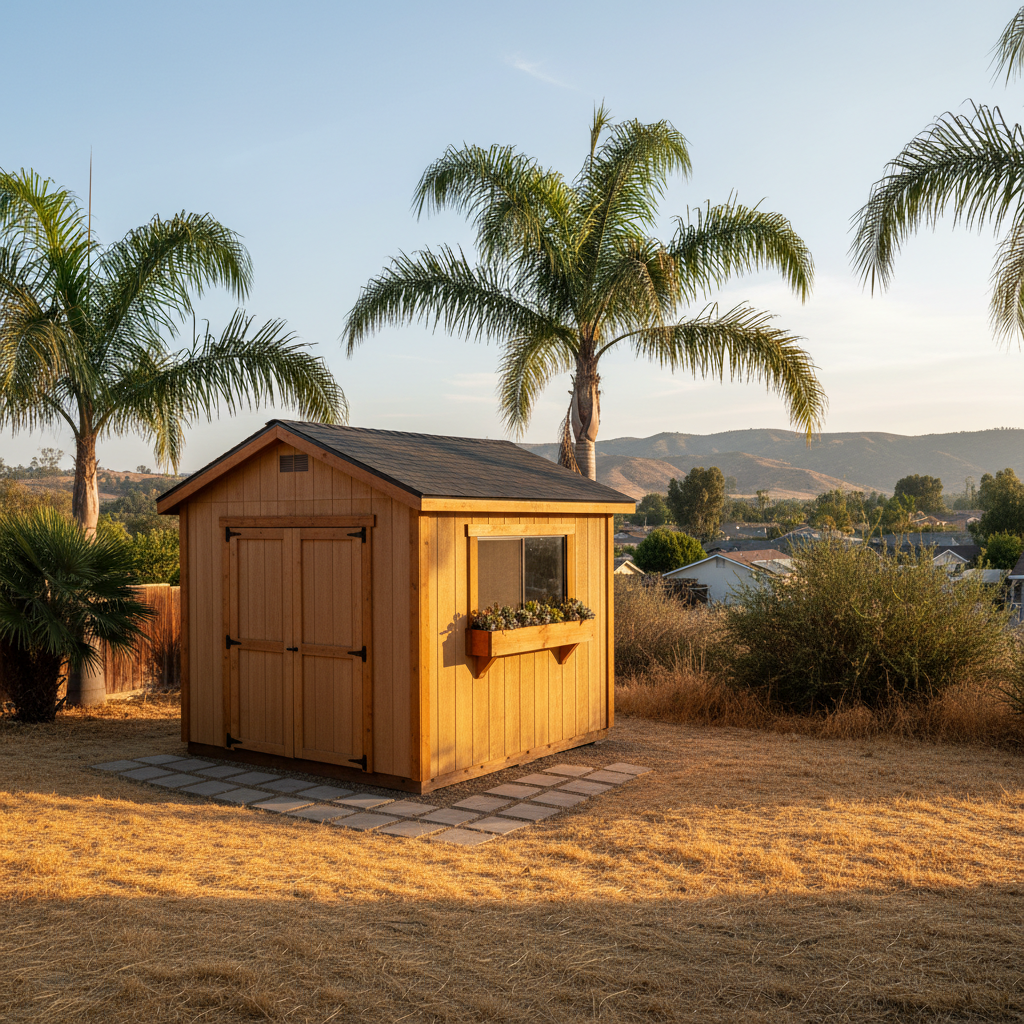
You've put good money and real thought into your shed, whether it's for storage, a workshop, or even a backyard office. But here in Pomona, our unique climate means you can't just build it and forget it. I'm talking about those scorching summer days that bake everything, and then the winter rains that can really test a structure. Keeping your shed protected year-round isn't just about maintenance; it's about understanding our local weather patterns and planning ahead.
When to Get Your Shed Work Done
Timing is everything for big projects, and your shed is no different. You want to pick a time when the weather's on your side, not fighting against you.
- Spring (March-May): This is usually a sweet spot. The temperatures are mild, and while we can get some rain, it's generally not the heavy, consistent stuff you see in deep winter. It's a great time for painting, sealing, or even building a new shed, and you get it done before the real heat kicks in.
- Fall (October-November): Another prime window. The summer heat has finally backed off, and we often get a stretch of clear, comfortable days. This is perfect for any exterior work, checking the roof, or doing a thorough cleaning before the colder, wetter months arrive.
- Summer (June-September): You can definitely get work done in the summer, but you'll be battling the heat. Pomona summers are arid, clear, and hot, with August often hitting average highs of 92-93°F. If you're painting or sealing, you'll need to work in the early mornings or late evenings to avoid the intense midday sun. And remember, concrete floors can get brutally hot.
- Winter (December-February): This is our wet season. February is typically the rainiest month, averaging around 3 inches. While you can still do some indoor shed projects, extensive outdoor work like pouring foundations or major exterior repairs can get tricky with the rain and cooler temperatures. It's not impossible, but it demands more careful planning around the forecast.
Weather Conditions That Really Hit Your Shed
Our Southern California climate throws a few specific curveballs that sheds need to deal with:
- Intense UV Rays & Heat: This is probably the biggest enemy. The sun here is no joke. UV radiation breaks down materials like paint, sealants, and even roofing shingles, making them brittle, cracked, and prone to failure. I've seen roofs in Pomona that look years older than they are just because of constant sun exposure.
- Temperature Swings: Hot days and cooler nights cause materials to expand and contract. This constant movement stresses joints, sealants, and fasteners, leading to cracks and separations over time.
- Occasional Heavy Rains: While our winters are mild, we do get significant rainfall, especially from October to April. This means your shed needs to be watertight, from the roof down to the foundation.
- Santa Ana Winds: These dry, hot winds, especially in the fall, can put a lot of stress on your shed's structure, lifting shingles or damaging flashing.
- Wildfire Risk: This isn't just about the shed itself, but what's around it. Our dry conditions, especially in late summer and fall, mean clearing defensible space around your shed is crucial.
Keeping Your Shed Safe Year-Round
You want your shed to last, right? Here’s how you can keep it solid against Pomona's weather:
Summer Heat & Sun Protection
- Ventilation is Key: Hot air gets trapped inside, turning your shed into an oven. Proper ventilation, like gable or ridge vents, lets that hot air escape, keeping the interior cooler and preventing moisture buildup. If you've got an office shed, you might even consider a small fan.
- Insulate Smart: Reflective insulation or radiant barriers in the roof are game-changers for reflecting heat away. For walls, rigid foam board or fiberglass batts can make a big difference. This isn't just about comfort; it protects anything you store inside from extreme temperatures.
- Seal & Paint: Give your shed a fresh coat of light-colored, UV-resistant paint or sealant. This helps reflect sunlight and protects the wood from breaking down.
- Check the Roof: Granule loss on asphalt shingles is common here due to UV. Keep an eye out for curling, cracking, or missing shingles.
Winter Rain & Moisture Defense
- Seal Up Gaps: Before the rains hit, walk around your shed. Caulk any cracks, especially around windows and doors, and check the weatherstripping. Even small gaps let moisture in.
- Clean Gutters & Drainage: If your shed has gutters, keep them clear of leaves and debris. You want water flowing away from the foundation, not pooling around it. Good drainage is critical for preventing rot and foundation issues, especially with the clay soils we sometimes see around the older neighborhoods in Pomona.
- Inspect the Foundation: Look for any signs of water pooling or erosion. If your shed sits on a pier and beam foundation, make sure the ground underneath is sloped away from the structure.
- Moisture Barriers: Inside, a vapor barrier on walls and ceilings can prevent condensation and mold.
Look, your shed is an extension of your home, and with a little seasonal attention, it'll serve you well for years. We build them tough at Custom Sheds of Pomona, but even the best-built shed needs a little love to stand up to our Southern California climate. Stay on top of these seasonal checks, and you won't have to worry.