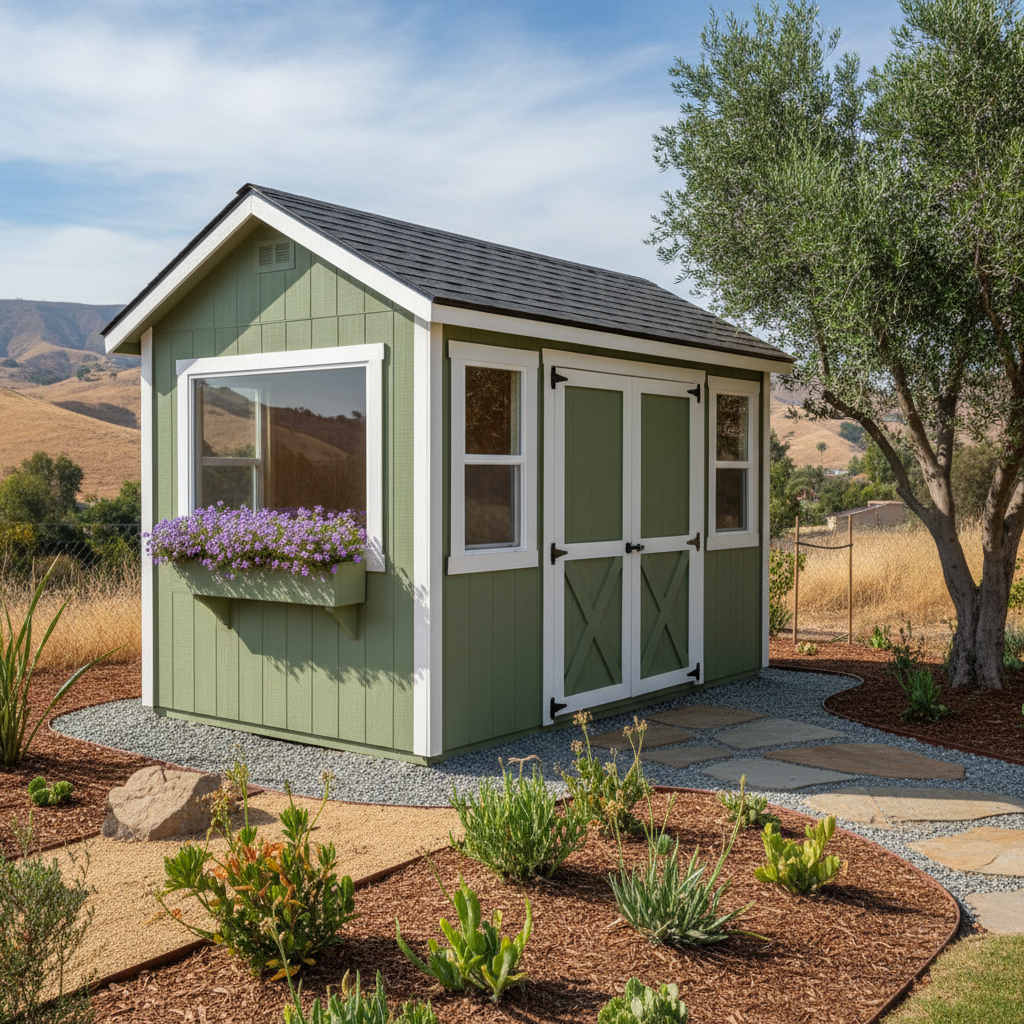
Alright, let's talk sheds in Pomona. You're thinking about adding some extra storage, maybe a workshop, or a dedicated space for your hobbies. That's a smart move. But before you just jump in, you gotta consider our local climate. It's not just about picking out the right design; it's about timing your build right and then making sure that shed stands strong for years to come.
When's the Best Time to Build a Shed Around Here?
Honestly, you can build a shed pretty much any time of year, but some seasons are definitely better than others. If you're planning a DIY project, or even if you're hiring someone like Custom Sheds of Pomona, the weather's a big factor.
Spring (March-May): This is usually a sweet spot. The ground's starting to dry out from any winter rains, and it's not scorching hot yet. You get good, consistent temperatures for working outside, and things like paint and sealants cure properly. We don't usually see those crazy Santa Ana winds kicking up too much this time of year either, which is a plus when you're framing.
Summer (June-August): You can build in summer, sure, but be ready for some serious heat. Mid-day work can be brutal. If you're pouring a concrete slab, you'll need to be careful about it drying too fast and cracking. Plus, our summer monsoons, while not super common, can pop up and dump a lot of rain in a short amount of time, turning your worksite into a muddy mess if you're not prepared.
Fall (September-November): Another great window. The heat starts to back off, and you still get plenty of dry days. It's a lot like spring, but you're heading into the cooler, wetter part of the year. Get your foundation and framing up before the real rains hit, and you'll be in good shape.
Winter (December-February): This is usually the toughest time for outdoor construction here. We get our most significant rainfall, and the ground can stay wet for days. If you're excavating or pouring concrete, you're looking at potential delays and a lot more mud. Plus, working in the cold and rain isn't fun for anyone. If you're building on a property with a lot of clay soil, which we see a lot of around the foothills near Phillips Ranch, winter can make digging a real chore and cause drainage headaches.
Weather Conditions That Affect Your Shed Build
Beyond just the season, specific weather conditions can really throw a wrench in your plans:
- Rain: Obvious, right? Wet wood can warp, and working in the rain is miserable. Plus, if your foundation isn't set, heavy rain can wash away soil or compromise your base.
- Extreme Heat: Like I said, it's tough on workers. But it also affects materials. Paints and stains might dry too fast, leading to an uneven finish. Concrete needs careful curing in the heat to prevent cracking.
- High Winds: This is a big one, especially when you're putting up walls or roofing. A strong gust can turn a sheet of plywood into a sail, which is dangerous. You need to secure everything properly as you go.
- Humidity: While not as dramatic as rain or wind, high humidity can slow down drying times for paints, sealants, and even some adhesives.
Protecting Your Shed Investment Year-Round
Once your shed's built, your job isn't over. You've put time and money into this, so you want it to last. Here's how you keep it in top shape:
Good Drainage is Key
This is probably the most important thing, especially with our occasional heavy downpours. Make sure water flows away from your shed's foundation. This means grading the ground away from the shed, using gutters and downspouts to direct roof runoff, and making sure your foundation is elevated. You don't want water pooling around the base; that's how you get rot and foundation issues.
Regular Inspections and Maintenance
Don't just build it and forget it. Walk around your shed a couple of times a year. Check for:
- Leaks: Look inside for any water stains, especially around windows, doors, and the roofline.
- Cracks: Inspect the foundation for any new cracks. Small ones might be fine, but larger ones need attention.
- Pest Activity: Look for signs of termites, ants, or rodents. Catching these early saves you a huge headache.
- Paint/Sealant Condition: Our sun can be brutal. Keep an eye on your paint or stain. If it's fading, peeling, or cracking, it's time for a touch-up to protect the wood underneath.
- Roofing: Check for loose or missing shingles, especially after windy days.
Ventilation Matters
Proper ventilation prevents condensation buildup inside, which can lead to mold, mildew, and rot. Make sure you have vents near the eaves and possibly a ridge vent. If your shed feels stuffy or smells musty, you might need better airflow.
Secure Your Belongings
It's not just about the shed itself; it's what's inside. Invest in good locks. If you're storing valuable tools or equipment, consider adding a security system or at least motion-activated lights. Pomona's a great place, but opportunistic theft can happen anywhere.
Building a shed is a fantastic addition to your property. Just remember to plan smart, build smart, and maintain smart. Do that, and your shed will serve you well for decades.