Do I really need a permit for a new garage or a major remodel in Pomona?
You bet your bottom dollar you do. Look, I know permits can feel like a real pain, but they're there for a good reason: safety. They make sure things are built correctly. For any brand-new construction, adding a lot of square footage, or even changing the structural bits of an existing garage, you're going to need a permit from the City of Pomona. This isn't just about dodging fines later, you know? It's about making sure your build meets code, stays safe for you and your family, and won't cause headaches down the road when you try to sell your place. Plus, if you skip the permit and something goes wrong—say, a fire or a structural collapse—your insurance company might just laugh you right out of their office. Always check with the city's planning department first. It's a small step that saves huge headaches.
What's the best foundation for a garage in our area?
Around Pomona, especially in some of those older neighborhoods near downtown or out by Phillips Ranch where the soil can be a bit more expansive clay, you can't just pour concrete willy-nilly. For most garages, a slab-on-grade foundation is pretty common, but it really needs to be engineered correctly. That means proper rebar reinforcement and often thicker edges or footings, sometimes called a 'monolithic slab' or 'turned-down slab.' We've got to consider soil reports if it's a new build on untouched land, or at least do a good visual inspection and understand the property's history. You want that slab to be thick enough, properly compacted underneath, and with good drainage around it. Skimping here is a recipe for cracks and structural issues later on, especially with our occasional heavy rains and the ground settling.
How long does it typically take to build a standard two-car garage?
That's a tough one to give a single answer to because it depends on so many things, but I can give you a general idea. From the moment we break ground, assuming permits are already in hand and materials are ready to go, a basic detached two-car garage usually takes anywhere from 4 to 8 weeks. That includes digging, pouring the foundation, framing, roofing, siding, electrical work, and all the finishing touches like a garage door and paint. If we're talking about an attached garage, it might be a bit quicker since we're tying into an existing structure. But then you've got to consider matching existing finishes. Custom features, complex designs, or unexpected soil conditions can definitely stretch that timeline. It's always best to plan for the longer end and be pleasantly surprised if it finishes early.
What's the deal with electrical in a new garage? Can I just run an extension cord?
Absolutely not on the extension cord, unless you're just powering a temporary light for a few hours. For a proper garage, you'll need dedicated circuits. Most folks want at least a few outlets for tools, maybe an opener for the garage door, and good lighting. If you're planning a workshop or charging an electric vehicle, we're talking about heavier-duty circuits, possibly a 240-volt outlet. You'll need a subpanel right there in the garage or a dedicated circuit run from your main house panel. This isn't a DIY job for most homeowners. You need a licensed electrician to make sure it's up to code, safe, and can handle the load without tripping breakers or, worse, causing a fire. We always make sure the electrical is done right at Custom Sheds of Pomona, because safety isn't something you can compromise on.
Should I insulate my garage, even if it's just for parking?
Even if you're just parking your car, insulating your garage is a smart move, especially here in Pomona where we get those hot summers. Think about it: an uninsulated garage acts like a giant heat sink. That heat radiates into your house if it's attached, making your AC work harder and costing you more. If it's detached, anything stored in there—from paint to tools—is going to bake. If you plan on using it as a workshop, gym, or even just a hangout spot, insulation is non-negotiable for comfort. We're talking walls and ceiling, and a good insulated garage door makes a big difference too. It might add a little to the upfront cost, but you'll save on energy bills and have a much more usable space year-round.
What are the best materials for garage siding that hold up well in our climate?
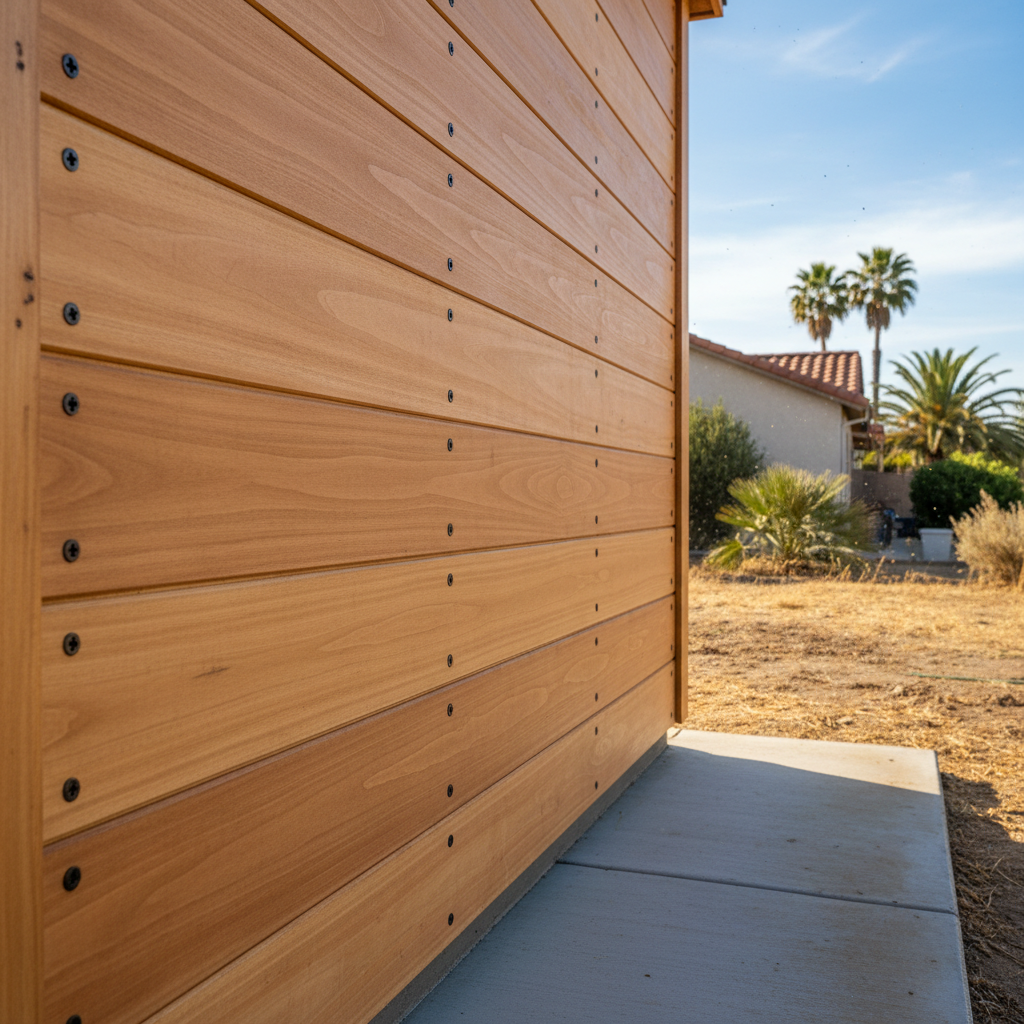
For siding that stands up to Pomona's sun and occasional downpours, you've got a few solid options. Vinyl siding is popular because it's low maintenance, doesn't rot, and comes in a ton of colors. It's pretty durable against UV rays too. Fiber cement board, like HardiePlank, is another excellent choice. It's tough, fire-resistant, resists pests, and holds paint really well, so it looks great for years. It's a bit more expensive upfront, but it's built to last. Wood siding can look fantastic, but it requires more upkeep—regular painting or staining—to protect it from the elements. I've seen plenty of old garages around town with T1-11 plywood siding that's seen better days; it tends to delaminate and rot if not kept up. For longevity and minimal fuss, I usually steer folks towards fiber cement or good quality vinyl.
How do I make sure my new garage matches my existing home's style?
This is where good design really comes into play. You don't want your new garage to look like an afterthought, do you? We always try to match the roof pitch and style of your main house. If your home has a gable roof, we'll aim for that. Same goes for the roofing material—asphalt shingles, tile, whatever your house has, we'll try to match it. Siding is another big one; using the same material and color scheme as your house makes the garage feel like it's always been there. Window styles and trim details also play a huge role. Even things like the garage door itself can be chosen to complement your home's aesthetic, whether it's a traditional panel design or something more modern. The goal is seamless integration, making your property look cohesive and well-planned, not like you just plopped a box in the backyard.
What's the typical lifespan of a well-built garage?
A well-built garage, using quality materials and proper construction techniques, should easily last 50 years or more. I've seen plenty of garages around Pomona that are 70, 80 years old and still standing strong, especially the ones built with solid foundations and good lumber. The key is that 'well-built' part. That means a solid foundation that doesn't crack and shift, a properly framed structure, a good roof that's maintained, and siding that protects the walls from weather. Regular maintenance, like keeping gutters clean, repainting siding when needed, and checking the roof, will extend its life significantly. Think of it like any other part of your home—neglect it, and it'll fall apart faster. Take care of it, and it'll serve you for generations.