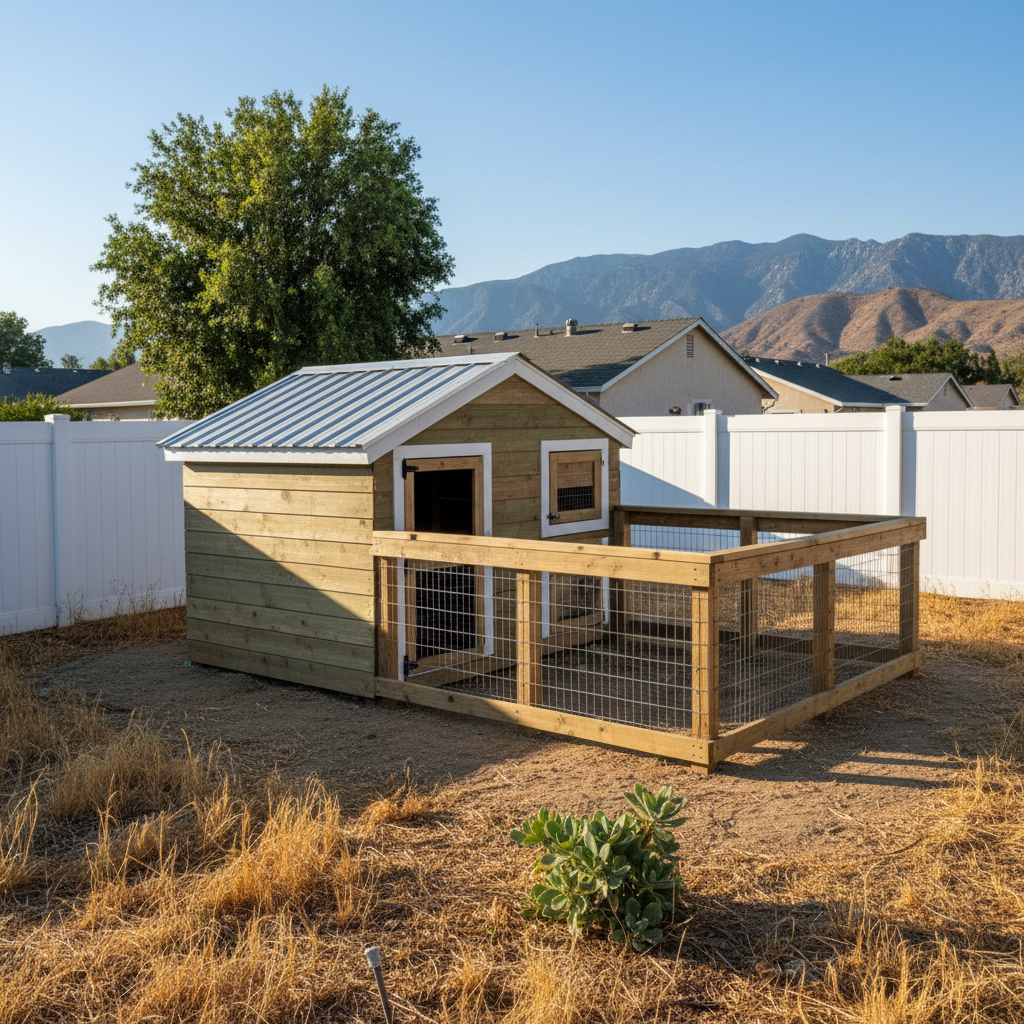
Alright, let's talk about livestock shelters for a minute. You've got your chickens, maybe some goats, perhaps even a few sheep, and you want to give them a good home. That's awesome, truly. But before you jump into building one yourself or hiring someone, you really need to know what to look out for. I've been doing this for a while here in Pomona, and I've seen folks make the same mistakes over and over again. Let's make sure you don't join that club, okay?
Skimping on Site Prep: It'll Bite You Later
This is probably the biggest one, honestly, and it's where a lot of headaches start. People think, "Oh, it's just a shed for animals, I'll just slap it down anywhere." Wrong. Especially around areas like Phillips Ranch or the North Towne neighborhood, where we can get some serious runoff during our winter rains, you need proper drainage. If you don't level the ground right, if you don't think about where the water's going to go, you're going to end up with a muddy mess, a rotting foundation, and sick animals. A good contractor will definitely talk to you about grading, maybe even suggest a gravel base. If they don't bring it up, you bring it up. If they wave it off? That's a huge red flag. You want that shelter to last, right? Well, it starts from the ground up.
Ignoring Local Rules: Permits Aren't Optional
I know, I know, permits are a pain. Nobody loves dealing with city hall, that's for sure. But guess what? They exist for a reason, and ignoring them is a recipe for disaster. Pomona has specific zoning and building codes, even for animal shelters. You might think your small chicken coop is fine, but if it's too close to a property line or exceeds a certain size, you could be looking at fines, or worse, having to tear it down. I've seen it happen. A reputable builder, like us at Custom Sheds of Pomona, will always discuss permits with you upfront. If a contractor tells you, "Don't worry about permits, we'll just build it," run the other way. They're not just putting you at risk; they're showing you they don't care about doing things right.
Underestimating Animal Needs: Not Just a Box
You're building a home for living creatures, remember, not just storing lawnmowers. Their needs are different. I often see folks build shelters that are too small, poorly ventilated, or don't offer enough protection from our hot Pomona summers or those chilly winter nights. Think about airflow – animals need fresh air, but not direct drafts. Think about space – overcrowding leads to stress and health issues, you know. And cleaning? How easy is it going to be to muck out that stall? A good shelter design considers things like: access to food and water, predator protection, and enough room for animals to move comfortably. Don't just pick the cheapest, smallest option. Your animals deserve better, and a healthy animal is a happy animal (and less vet bills for you).
Hiring the Cheapest Bid: You Get What You Pay For
Everyone wants a good deal; I totally get it. But when it comes to construction, the lowest bid is often the most expensive in the long run. I've seen shoddy work from contractors who cut corners: using cheap materials that won't stand up to the elements, poor construction techniques, or just plain disappearing halfway through the job. Ask for references, definitely. Look at their past work. Do they have insurance? Are they licensed? If someone's price seems too good to be true, it probably is. You're investing in something that needs to protect your animals and last for years. Pay a fair price for quality work, and you'll save yourself a lot of headaches and repair costs down the road.
Not Having a Clear Plan: The "Wing It" Approach
Before you even talk to a builder, have a pretty good idea of what you need. How many animals? What kind? What's your budget? Where in your yard do you want it? "I just need a shed for my chickens" isn't enough information. The more specific you are, the better the contractor can understand your needs and give you an accurate quote. If you're constantly changing your mind during the build, that's going to cost you extra time and money. A good contractor will help you refine your ideas, sure, but they can't read your mind. Do your homework, sketch out some ideas, and be ready to discuss the details. It makes the whole process smoother for everyone involved.