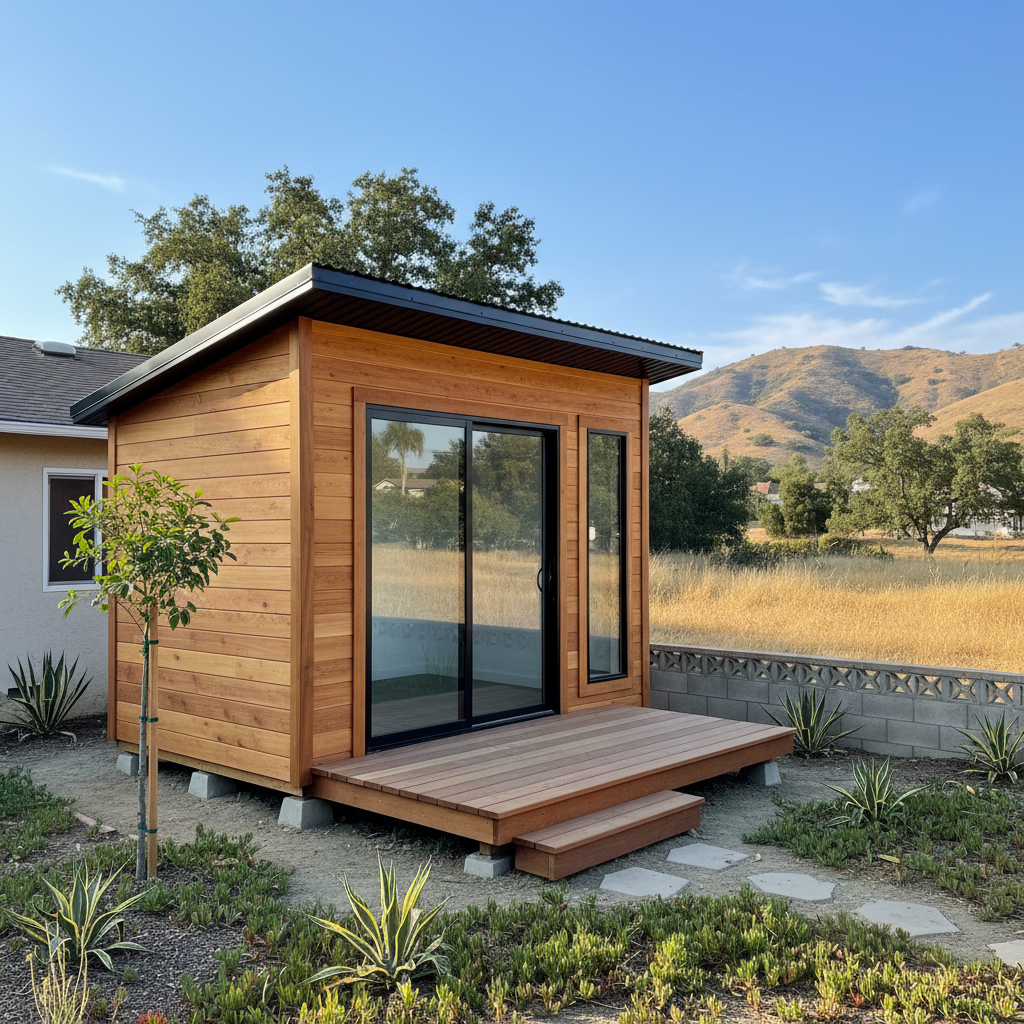
So, you've got your office shed, maybe it's one of ours from Custom Sheds of Pomona, or perhaps you built it yourself. It's your quiet spot, your money-maker, your escape. But how do you make sure that investment keeps earning its keep year after year, especially with that Pomona sun beating down and the occasional surprise rainstorm?
It's not exactly rocket science, but a little regular attention really goes a long way. Think of it like taking care of your car; ignore it, and you're just asking for trouble down the road, aren't you?
Extending Your Shed's Lifespan: The Long Game
The best maintenance actually starts before you even begin to think about problems. It's all about protecting your shed from the elements right from the get-go and then keeping those protections strong. Here's what I always tell folks:
- Good Gutters are Gold: Seriously, you wouldn't believe how much damage uncontrolled rainwater can cause. It splashes back onto siding, eats away at the foundation, and can definitely lead to rot. So, make sure your gutters are clean and draining properly, pushing water away from the shed's base. We get those heavy, short bursts of rain sometimes, especially in late winter, and if your gutters are clogged, that water's going to find somewhere to go — and it's usually somewhere you don't want it.
- Paint and Sealant are Your Armor: The sun here in Pomona is no joke, believe me. UV rays just break down paint and sealants over time. A fresh coat of exterior paint or stain every 5-7 years, depending on the product and how much sun it gets, is absolutely crucial. Pay close attention to trim, window frames, and door frames, too. These are common spots for water to sneak in if the sealant fails. Check the caulking around windows and doors annually and reapply it wherever it's cracked or missing.
- Ventilation is Vital: Trapped moisture inside can lead to mold, mildew, and wood rot. Make sure your shed has enough ventilation, especially if you're running electronics or have a mini-split AC in there. If you've got a ridge vent and soffit vents, keep them clear. If not, consider adding a small gable vent or even a solar-powered attic fan to keep air moving and prevent heat and humidity from building up.
- Clear the Perimeter: Don't let plants, shrubs, or anything else touch the shed's siding. They trap moisture, block airflow, and can even offer pathways for pests. Keep at least 6-12 inches clear around the entire base of the shed, okay?
Regular Check-Ups: What to Look For
You don't need to be a contractor to spot most problems. Just take a walk around your shed a few times a year, maybe once in spring and again in the fall, and really give it a good look. Here's your checklist:
- Roof: Are shingles curled, cracked, or missing? Any bare spots showing? Is the flashing around vents or chimneys still intact? Look for moss or algae growth, which can hold moisture.
- Siding: Any cracks, peeling paint, or soft spots? Is the siding actually touching the ground? Look for signs of insect activity like small holes or sawdust.
- Foundation: Any cracks in the concrete? Is the shed still level? Are there any gaps between the foundation and the base of the shed where critters could get inside?
- Windows and Doors: Do they open and close smoothly? Is the caulking around them still good? Check for drafts or water stains around the frames.
- Inside: Any strange smells? Damp spots on the walls or ceiling? Look for signs of pests – droppings, nests, or chewed materials.
Warning Signs That Need Attention
Some things you spot are just minor touch-ups. Others, though, are flashing red lights. Don't ignore these:
- Water Stains: Anywhere inside – ceiling, walls, floor – means you've got a leak. Find it and fix it fast. Water damage spreads quickly.
- Soft or Spongy Wood: Poke around the base of the shed, window sills, and door frames with a screwdriver. If the wood feels soft or crumbles, you've definitely got rot.
- Sagging Roofline: This is a serious structural issue. It means the roof framing might be compromised, possibly from water damage or heavy loads.
- Pest Infestations: Termites, ants, rodents – they can do a surprising amount of damage to a shed's structure and contents. If you see signs, act immediately. We've got plenty of subterranean termites around here in places like the Phillips Ranch area, so keep an eye out for those mud tubes.
- Electrical Issues: Flickering lights, outlets not working, or a burning smell? Shut off the power and get a professional in there. Electrical fires are no joke.
When to Call a Professional
Look, I'm a big believer in DIY, but sometimes you just gotta know when to call in the cavalry. If you see any of those major warning signs, or if you're just not comfortable tackling a repair, don't hesitate. Things like significant roof damage, extensive wood rot, foundation problems, or electrical work are truly best left to licensed pros. Trying to patch up a big problem yourself can often make it worse, or lead to even more costly repairs down the line.
Your office shed is an asset. Treat it right, and it'll serve you well for years to come. A little preventative care and quick action on problems will save you a lot of headaches and money in the long run.